Rigs
Why Catfish Come Off the Hook (and How to Stop Losing Them)
A hook pull is one of the most frustrating ways to lose a catfish — and most of the time it's your setup, not bad luck.
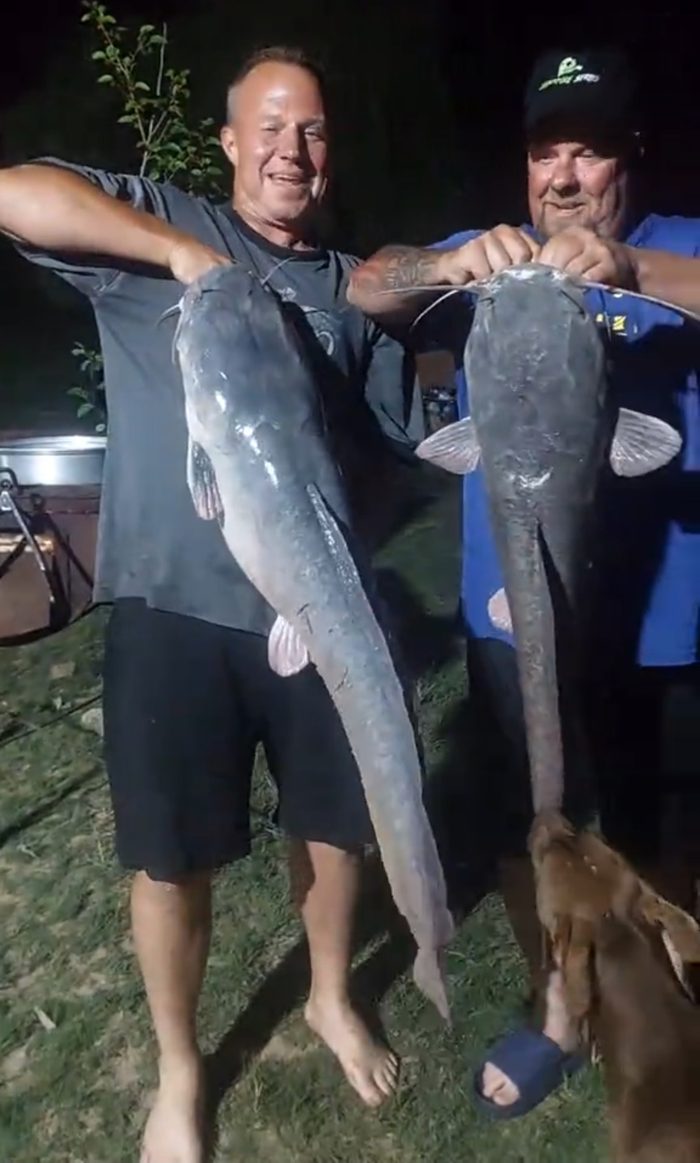
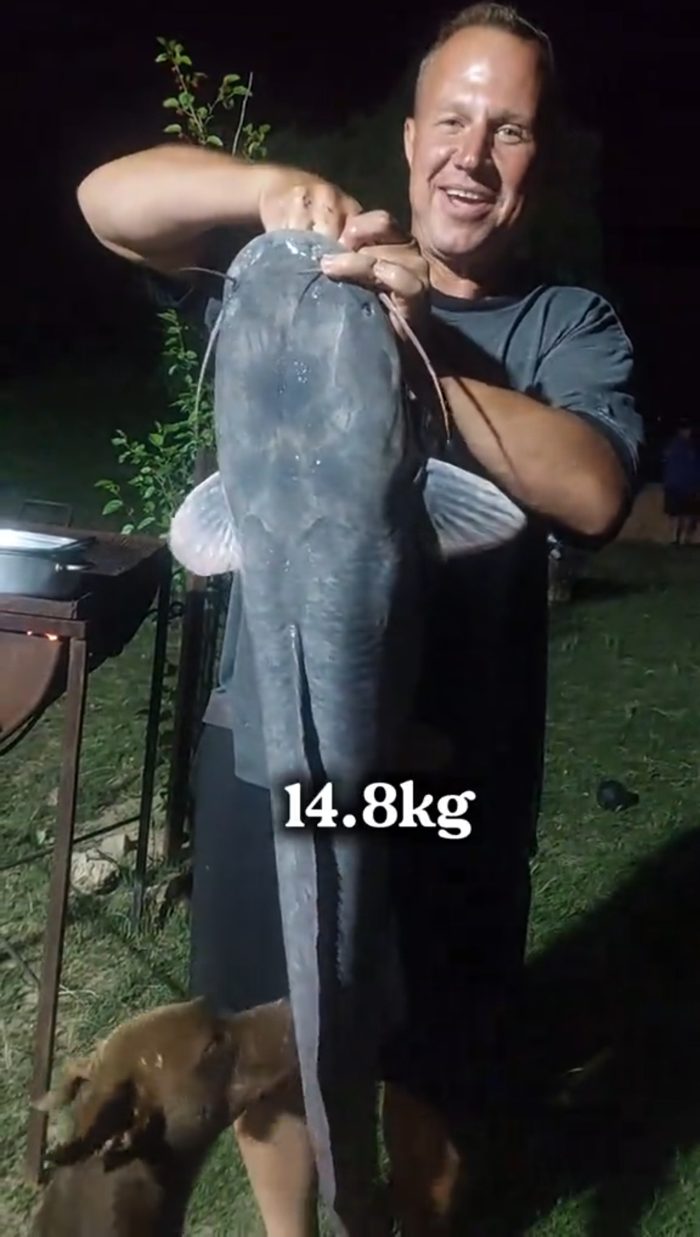
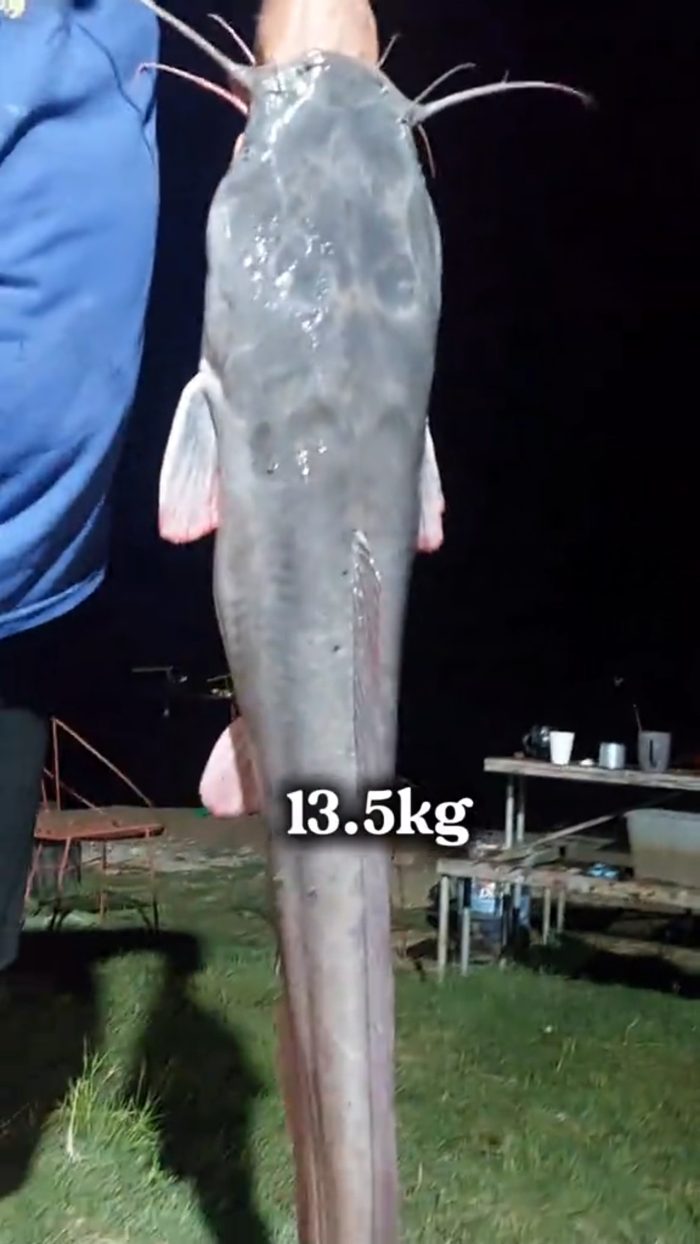
This past weekend I had two brothers, Trevor and Justin, fishing with me on the river. Trevor landed a 14.8kg catfish and Justin a 13.5kg, with plenty of 10s and 11s in between. But Justin also lost a fish to a hook pull early on, and the reason was sitting right there on his rig.
What a Hook Pull Is
A hook pull happens when the hook isn't set properly and simply comes out of the fish's mouth. It's different from a break-off. The line holds, the knot holds, but the hook never took a good hold, so the fish shakes it loose.
The Hook Line Was Too Short
When the brothers arrived, their rigs were set up with a hook line that was too short. A longer hook line gives a better hook set, and a short one doesn't give the hook a good enough chance to take hold. When I looked at Justin's rig, it was the first thing I saw, and in my experience it's nearly always the problem. We changed both rods to my type of rig, and after that they caught fish without losing any.
A Carp Rig Isn't a Catfish Rig
They were using a rig built for specimen carp. It makes sense — carp rigs are well designed — but catfish are not big carp. A carp tends to hook itself almost straight away. A catfish takes longer to bite, and it's more cautious about what's in its mouth.
A catfish rig has to be more sensitive. The weight should slide so that when the fish picks up the bait, it feels no weight at all, and the weight should sit well away from the hook after the cast. The more sensitive the rig, the better, because a catfish isn't stupid. If it feels something strange down there, it won't take the bait.
Other Reasons Hooks Pull Out
Even with the right rig, you can still lose fish. Two things I see all the time:
Striking too soft. Beginners strike a catfish the way they would a carp, with a gentle lift. A catfish needs a firm strike to drive the hook home.
Striking with slack in the line. If there's slack when you strike, the force never reaches the hook. The fish can spit the whole bait and be gone.
Playing It Like a Carp
The mistake continues after the strike. People play a catfish gently, the way they would a carp. Put force on it and reel it in. If it wants to run when it gets close, let it take line, but keep the pressure on.
What to Check on Your Own Setup
Before your next trip, go through this short list:
Is your hook line long enough for a good hook set? Does your weight slide freely and sit away from the hook? Is the whole rig as sensitive as you can make it? Are you striking firmly, and only when the line is tight? And when the fish is on, are you putting real pressure on it, not coddling it?
Want the full system?
Rigs are one piece of the puzzle — the free Catfish Quick-Start Guide covers bait, rigs, and timing to put it all together. If you're ready to go deeper, the Ultimate Catfish Guide breaks down the complete approach: rigs, seasonal patterns, and dam-specific tactics.
Get the Free Guide Get the Ultimate Guide